What Are Base Building Harem Books?
The MC starts with nothing — bare land, a ruined fort, an empty island, or maybe just a seed pouch and a prayer. Then he builds. Stone by stone, wall by wall, field by field. And as the settlement grows, so does the harem. Each woman who joins brings something the base needs: a blacksmith, an herbalist, a warrior to guard the walls, a mage to power the defenses. The settlement can’t thrive without them, and they can’t thrive without the settlement. The MC is the glue holding both together.
This is the sub-genre for readers who get a genuine dopamine hit from watching numbers go up, inventory fill in, and buildings level. If you’ve ever lost a weekend to Stardew Valley, Rimworld, Factorio, or Minecraft, you already understand the base building appeal. Now imagine that same construction loop, but every major upgrade also advances a harem romance. That’s the pitch, and when it works, it’s one of the most binge-able formats in haremlit.
The Dual Progression Loop
Base building harem lives and dies on one concept: parallel progression. The settlement grows. The harem grows. And each fuels the other. When the MC builds a bathhouse, it becomes a scene location. When a new woman joins, she brings a skill that unlocks the next building tier. When the MC successfully defends against a raid, his harem’s trust and attraction deepen. When a romantic relationship reaches a new milestone, the MC gains the motivation or magical boost to push his construction further.
This loop is addictive because it means something satisfying happens almost every chapter. Either a new building goes up, a new resource is secured, a new woman arrives, or a relationship deepens. Often two or three of these happen simultaneously. The pacing naturally accelerates as the series progresses because a bigger base means more systems to upgrade and more women to develop relationships with. Authors who nail this dual loop produce series that readers tear through in days.
The weakest base building harem books disconnect the two tracks. The construction happens in isolation, and the romance happens in isolation, and neither really affects the other. When building a sawmill has nothing to do with the blacksmith woman you recruited, both elements feel less meaningful. The best authors make every construction project and every romantic milestone feed back into the other system.
Resource Gathering and Early Survival
Most base building harem series start with a survival phase. The MC is alone or nearly alone, scavenging for materials, building basic shelter, and figuring out how to eat. These early chapters establish the stakes: if he doesn’t build, he dies. This isn’t a comfortable isekai with a cheat skill that solves everything — it’s genuine struggle against the environment.
The survival phase also makes the first harem member’s arrival meaningful. When you’ve read four chapters of the MC struggling alone in the wilderness, the appearance of a companion — especially one with a complementary survival skill — creates real relief and gratitude. That emotional foundation makes the eventual romantic development feel earned rather than arbitrary. You watched them survive together before they got together.
Resources in these series function like currency and progression markers. Wood, stone, iron, mana crystals, rare herbs — each resource type unlocks new buildings and capabilities. The gathering loop scratches the same itch as loot systems in LitRPG, but with a tangible output. You’re not putting numbers in an inventory — you’re building a wall, a forge, a field. The concreteness of construction makes the progression feel more real than abstract stat increases.
Recruiting Women: Skills Meet Romance
The signature move of base building harem is the recruitment arc. The MC needs a specific skill to advance his settlement — someone who can work leather, brew potions, enchant tools, or command troops. He ventures out, finds a woman with that skill (often in a dangerous or desperate situation), rescues or persuades her, and brings her back to the settlement. She contributes her expertise, integrates into the community, and eventually joins the harem.
This formula works because it gives every harem member a purpose beyond romance. The herbalist isn’t just girlfriend number three — she’s the reason the MC’s crops don’t die and his wounded warriors heal. The warrior woman isn’t just girlfriend number four — she’s the reason the settlement survived the last goblin raid. When each woman is indispensable to the community’s survival, the harem dynamic has structural integrity that pure romance harems often lack.
The best series stagger recruitment across the settlement’s development. Early recruits cover basic survival needs (food, shelter, defense). Mid-series recruits bring specialization (magic, diplomacy, advanced crafting). Late-series recruits represent luxury and refinement (entertainment, scholarship, governance). This progression mirrors the settlement’s own evolution from survival camp to thriving community, and each new woman represents a developmental milestone.
Farm Harem: The Agricultural Variant
Farm harem narrows the base building concept to agricultural development. The MC acquires land — often as an isekai arrival granted territory by a local lord, or as a returning veteran given a homestead — and builds a farming operation from a single field to a productive estate. Women join as farmhands, neighbors, traveling merchants who decide to stay, or adventurers tired of dungeon life who want something quieter.
The farm setting lends itself naturally to cozy, slice-of-life pacing. Seasons provide structure. Spring is planting and new beginnings. Summer is growth and hard work. Autumn is harvest and celebration. Winter is rest, intimacy, and planning for the next year. The seasonal rhythm gives farm harem a tempo that feels distinct from the rapid escalation of combat-focused series.
Farm harem also intersects heavily with breeding themes. Agricultural metaphors aren’t subtle, and many farm harem authors lean into that deliberately. The MC’s fertility extends beyond the fields. Growing the farm and growing the family become parallel tracks, and the domestic intimacy of shared farm life creates a warmth and coziness that more action-oriented harem series don’t offer.
Defense and Territory Expansion
No settlement exists in a vacuum. Monsters attack. Rival warlords covet the MC’s territory. Bandits see a growing community as a target. The defense element adds stakes and action to what could otherwise be a pure building simulation. The MC has to protect what he’s built, and the women in his harem have to fight alongside him.
Defense scenarios create some of the best tension in base building harem. You’ve spent chapters watching the MC build walls, forge weapons, and train defenders. Now the enemy is at the gates, and everything the MC constructed is being tested. The payoff of a successful defense is immense because you’re not just watching the MC win a fight — you’re watching him validate every building choice, every resource allocation, and every recruitment decision he made.
Territory expansion extends the loop beyond the original base. Once the settlement is thriving, the MC claims additional land, establishes outposts, opens trade routes, and transforms his single base into a network. Each new territory needs its own development, its own defenders, and often its own administrator from the harem. The scale of the MC’s domain grows alongside the scale of his relationships, and by late-series he’s running a small kingdom with a correspondingly large harem.
What Makes Base Building Harem Satisfying
The core satisfaction is tangibility. In LitRPG harem, the MC gets stronger — but strength is abstract. In base building harem, the MC builds a wall you can picture. He plants a field you can see. He constructs a home where his harem lives, and the physical reality of that structure grounds the fantasy in something concrete. When the MC sits on the porch of the house he built with his own hands, surrounded by the women who helped him build it, the scene has a weight that pure combat progression can’t match.
There’s also the provider fantasy. The MC isn’t just attractive or powerful — he’s the man who built everything from nothing. He provides shelter, safety, food, and purpose. Each woman in his harem chose to stay because what he’s building is worth being part of. That’s a fundamentally different appeal from the OP MC who attracts women through raw power. The base builder earns his harem through competence, vision, and follow-through — and that resonates with male readers who value building things in their own lives.
Base Building Harem Book Reviews
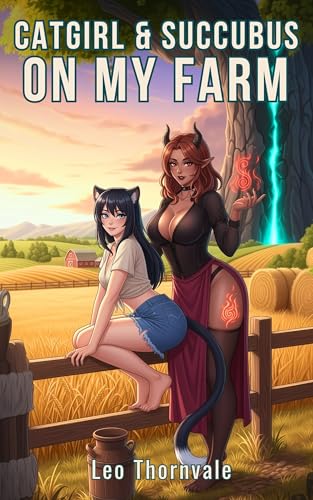
Catgirl & Succubus on My Farm
Monster Girls Summoner Harem
Rye dies saving a kid and wakes up on a busted farmstead with a fertility goddess in his head, a catgirl on his roof, and a System telling him he has 90 days to fix everything. It is exactly as fun as it sounds.
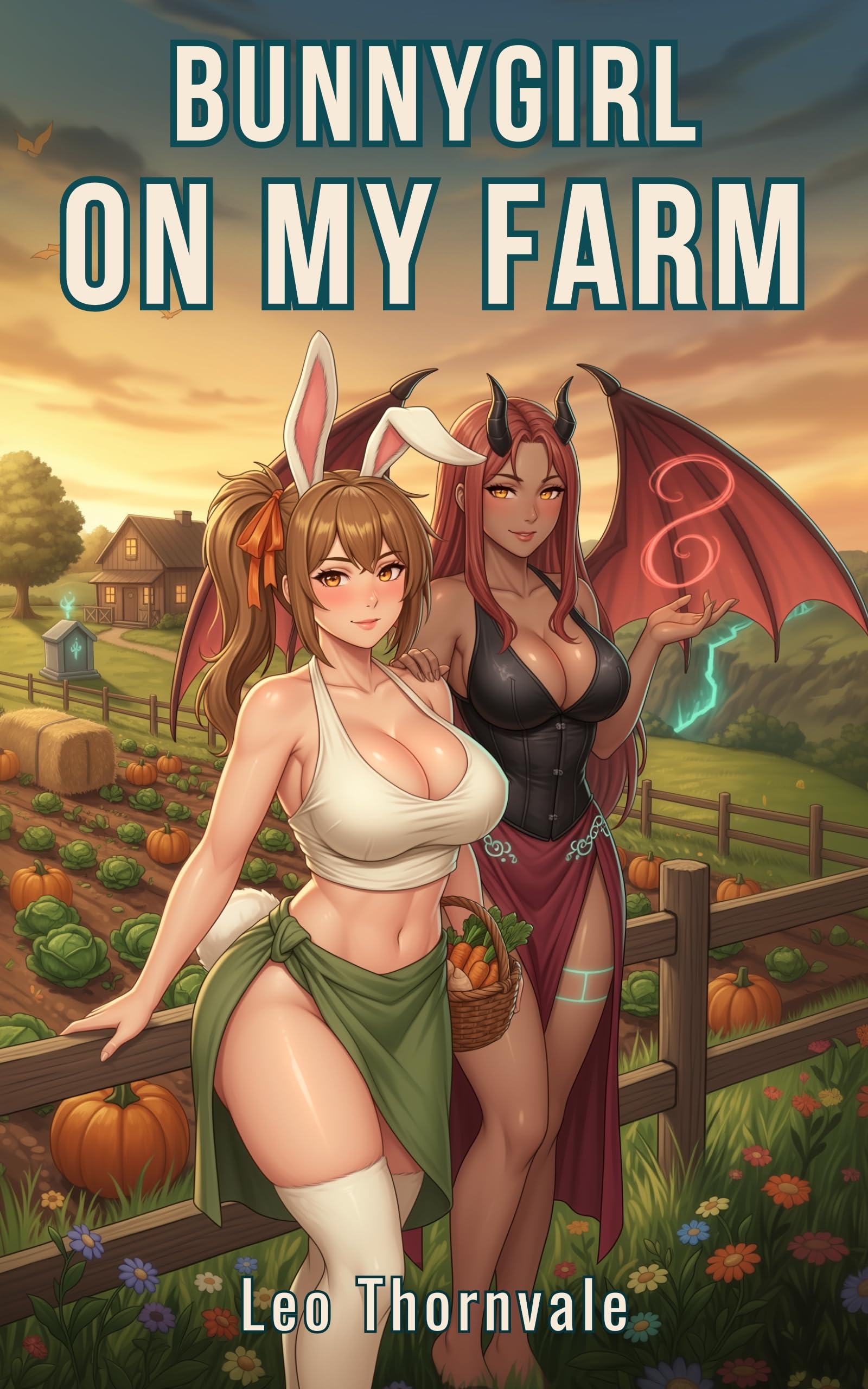
Bunnygirl on My Farm
Monster Girls Summoner Harem
A bunnygirl with warren-sense and hips built for running, a farm pushing toward Tier 3, and a Baron who wants it all to rot. The harvest season just got personal.
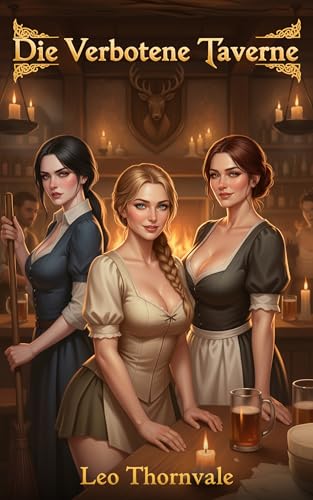
Forbidden Tavern
Forbidden Tavern
Theron inherits a rowdy port-city tavern and turns it into a temptation engine of coins, curves, and very strict house rules.
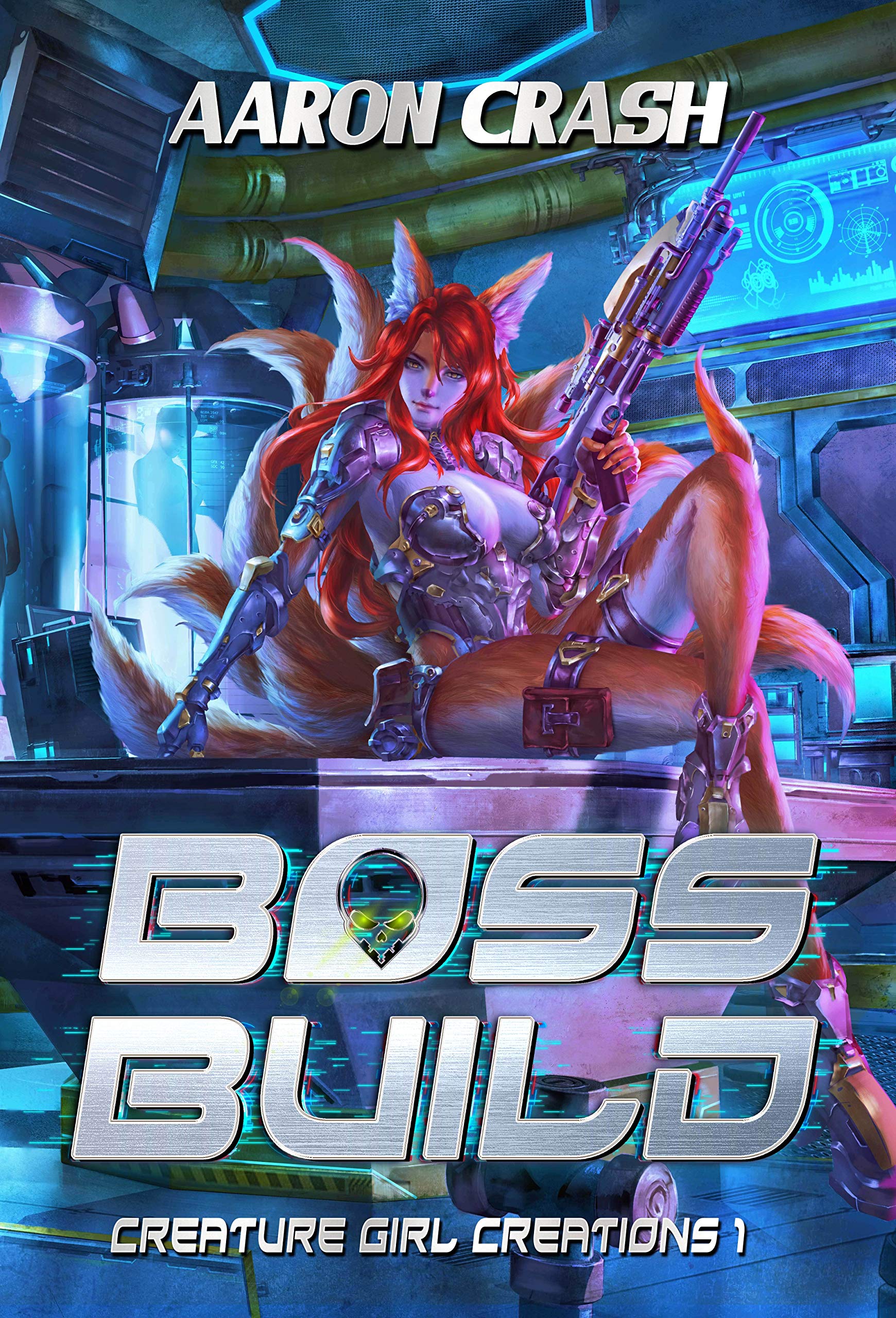
Boss Build
Creature Girl Creations
A murdered CEO wakes up on an alien planet where he must 3D-print customizable monster girls to survive streets full of killer robot dogs.
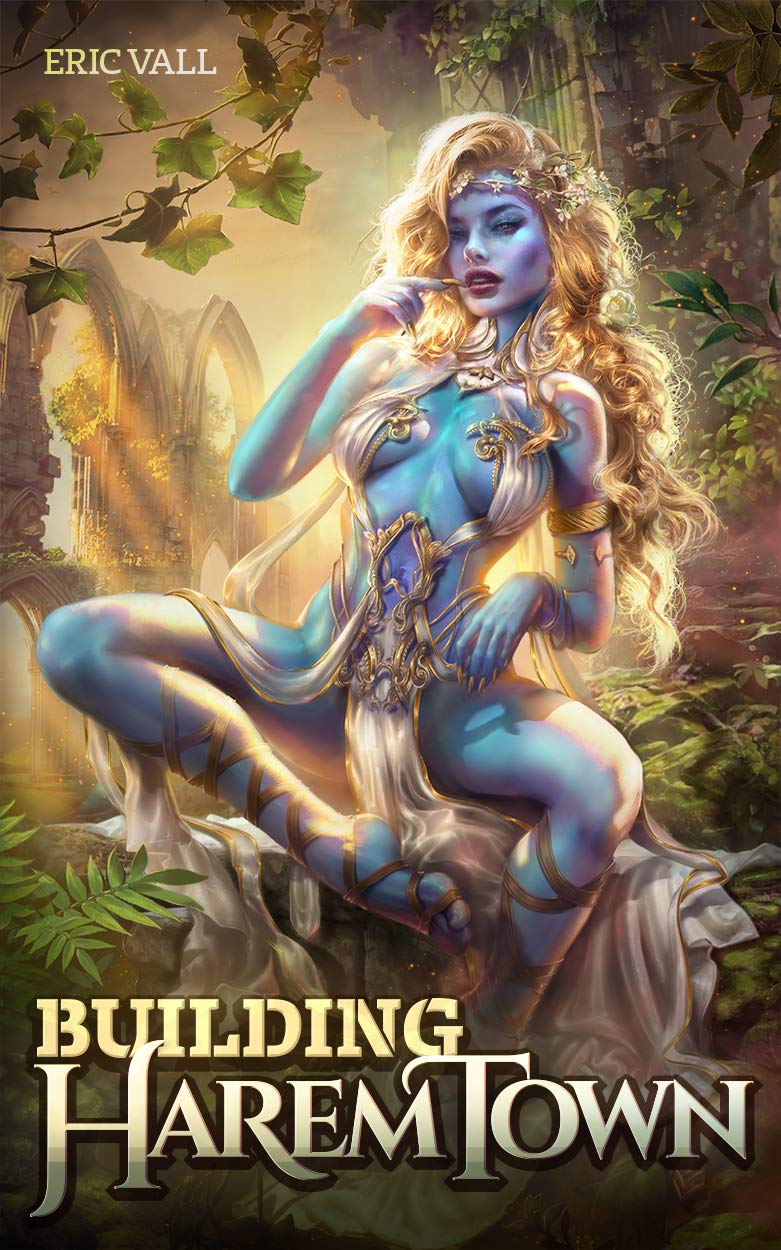
Building Harem Town
Building Harem Town
A dead programmer wakes up as a god in a strange new world with three beautiful priestesses who have traveled far to worship him -- in every way.
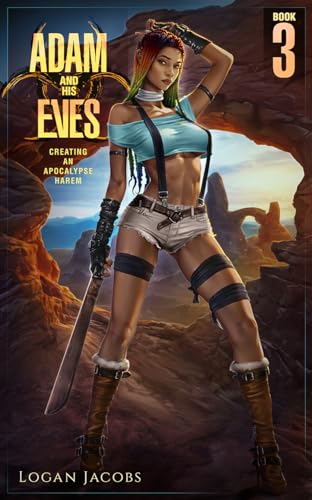
Adam and His Eves 3
Adam and His Eves
Adam reunites with his sister and becomes a reluctant leader — the strongest entry in the series so far.
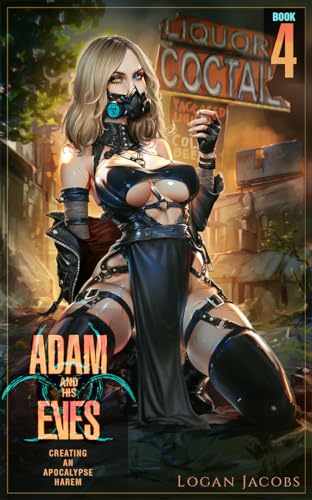
Adam and His Eves 4
Adam and His Eves
Adam builds a base, manages a growing community, and the series adds settlement mechanics to its survival formula.
The Arcane Lord 2
Noble Magic
Julian barely got comfortable as a baron before his strongest ally falls ill, his father resurfaces, and a war threatens to erase everything he has built.
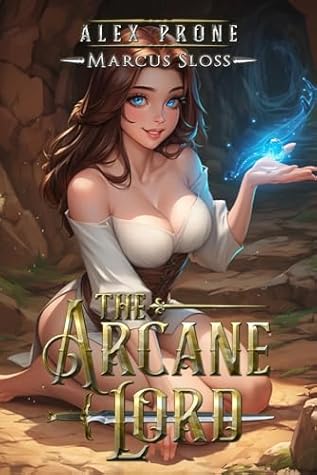
The Arcane Lord
Noble Magic
A crumbling estate, a vanished father, and mounting debts — good thing Julian has a water mage and a sharp-tongued kitsune to help sort it all out.
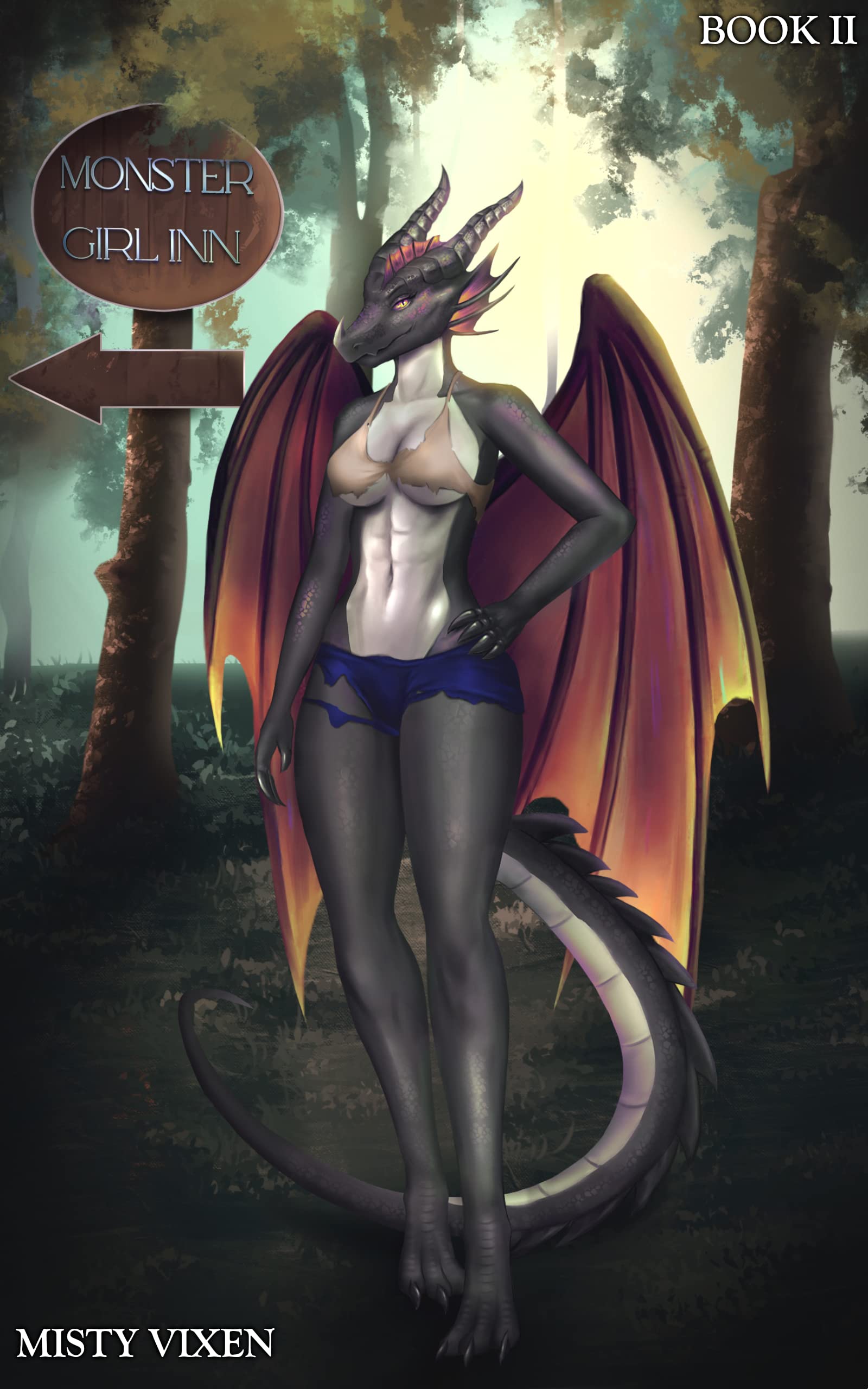
Monster Girl Inn II
Monster Girl Inn
The inn grows as new monster girls join Victor, Fiona, and Jezzy in their quest to build a home in the Hinterlands.
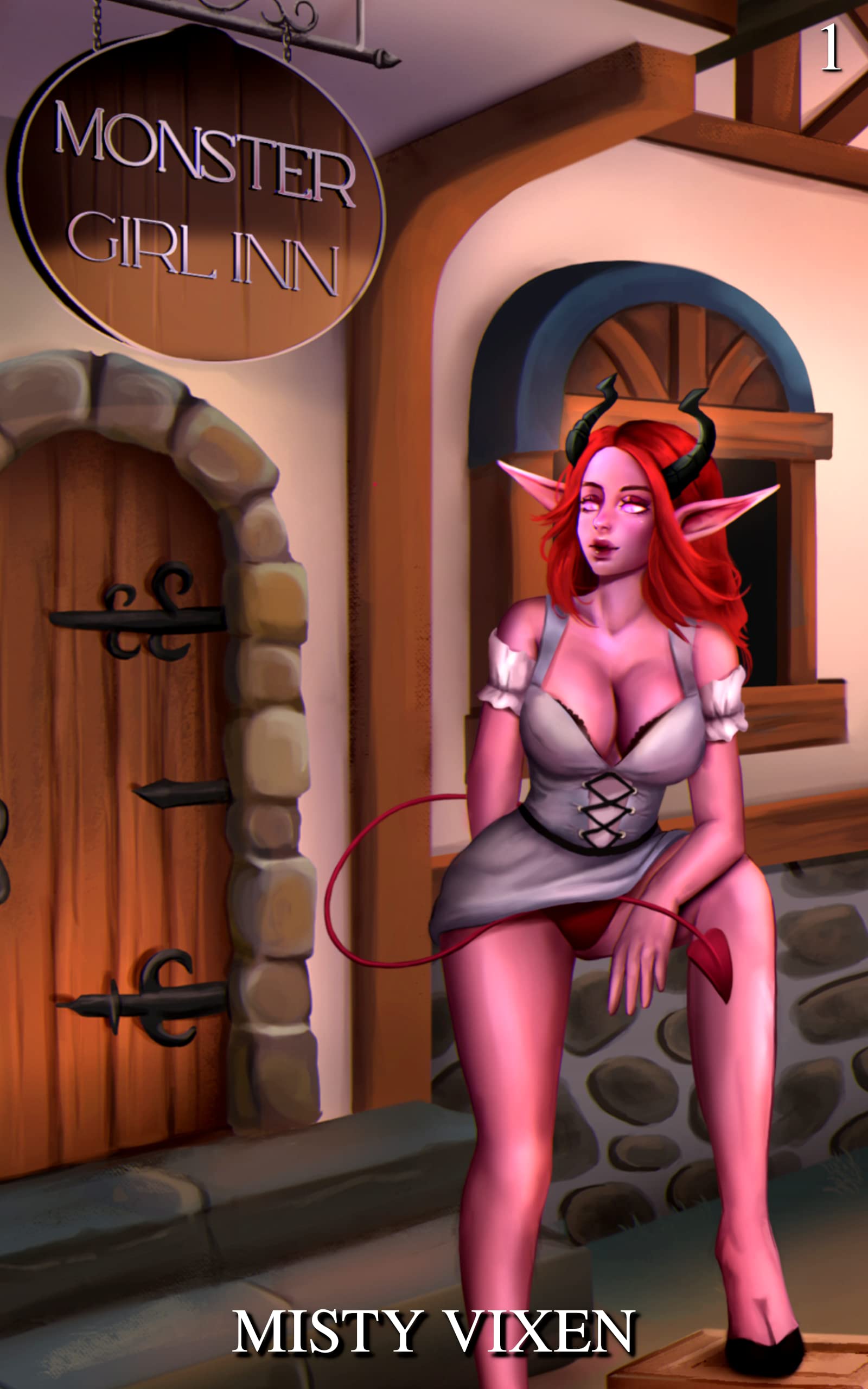
Monster Girl Inn
Monster Girl Inn
A roaming adventurer heads north to the Hinterlands and helps a snake woman build an inn that welcomes all species.
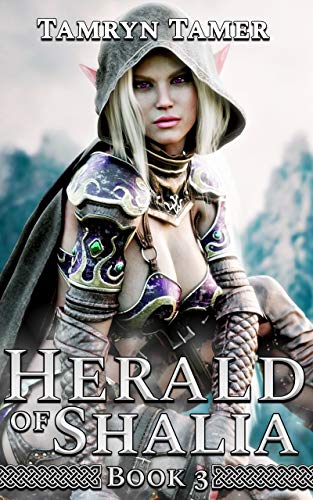
Herald of Shalia 3
Herald of Shalia
Frost's fame has crossed oceans — and the Prophet of Shalia is on the first ship home to meet the herald everyone is talking about.
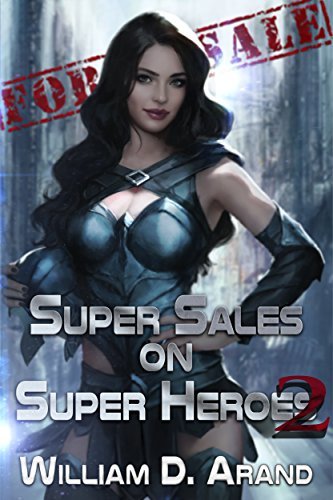
Super Sales on Super Heroes 2
Super Sales on Super Heroes
Felix has the permits, the team, and the plan — the local government just has no idea what they approved when Legion comes to town.
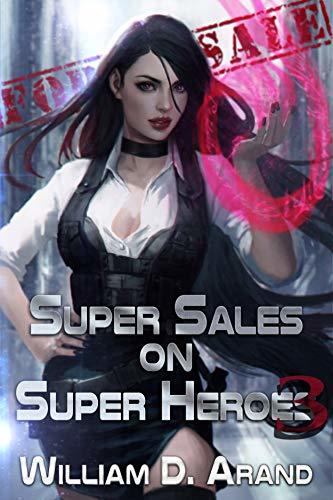
Super Sales on Super Heroes 3
Super Sales on Super Heroes
Four years later, magic has returned, old gods are waking up, and Felix decides it is time to stop playing defense and make Legion safe once and for all.
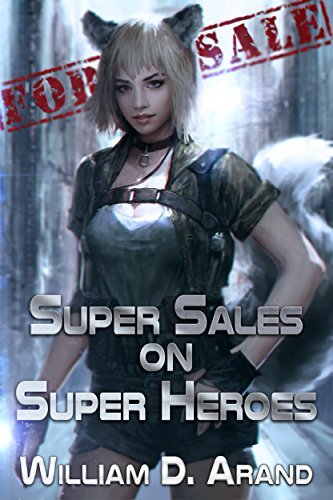
Super Sales on Super Heroes
Super Sales on Super Heroes
Felix can upgrade anything he owns — including superpowered women he buys on the black market. Welcome to the most morally complicated harem in the genre.
Frequently Asked Questions
What are base building harem books?
Base building harem books combine settlement construction and resource management with harem romance. The MC builds a settlement, farm, dungeon, or community from scratch while simultaneously growing his harem. Women join as the settlement grows — some are recruited for their skills, others arrive as refugees or allies. The harem growth and the base growth run in parallel, creating dual progression tracks that feed into each other. Most base building harem books include explicit content and progression mechanics like resource gathering, crafting, and territory expansion.
What is the difference between base building and settlement building harem?
Base building typically refers to a single structure or compound — a homestead, a dungeon, a fort — that the MC upgrades and expands. Settlement building involves an entire community with multiple buildings, NPCs, trade routes, and governance systems. Farm harem focuses specifically on agricultural development. All three share the core loop of construction progression alongside harem growth, but settlement building tends to be the most complex with its community management elements, while base building keeps the focus tighter on the MC’s personal domain.
Are base building harem books on Kindle Unlimited?
Yes, base building harem is well-represented on Kindle Unlimited. The sub-genre has grown steadily as readers discovered the satisfaction of watching both a settlement and a harem develop simultaneously. Many series run 5-10 books as the MC’s base grows from a single shelter to a thriving community. KU is ideal for binge-reading these long series, and most base building harem authors publish exclusively through KDP Select.
What tropes are common in base building harem books?
Common tropes include: resource gathering and crafting systems, territorial defense against raids or monsters, recruiting specialists who join both the settlement and the harem, farming and food production mechanics, trade and diplomacy with neighboring settlements, upgrading buildings that unlock new abilities or harem features, survival elements in early chapters that transition to expansion in later books, and breeding or family-building as part of the settlement’s growth. Many series combine base building with isekai or LitRPG elements.
Why do readers enjoy base building combined with harem?
Base building and harem growth satisfy the same psychological drive: watching something you built from nothing become large, complex, and thriving. The MC starts with bare ground and one companion, and by the end of the series he has a prosperous settlement and a full harem. Each new building represents material progress; each new woman represents romantic progress. The dual track means there’s always something growing, always a next milestone to reach. For readers who enjoy builder games like Stardew Valley, Rimworld, or Minecraft, base building harem delivers that same construction satisfaction wrapped in a harem fantasy.