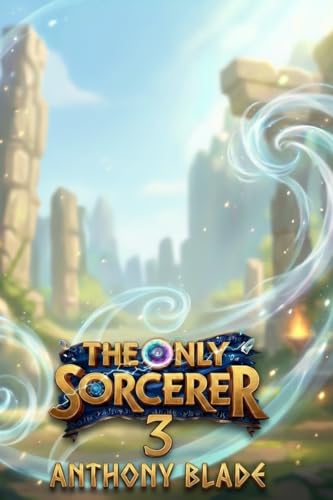
Who This Book Is For
Readers invested in the Mage Academy trilogy who want to see Thomas's arc through to its conclusion
Who This Book Is NOT For
Readers who were frustrated by book two's pacing issues, as this entry compounds those concerns for some
Our Review
The Setup
Thomas’s plans to train at the Pinwood estate are quickly derailed by the arrival of Fiona, a mysterious woman with pale skin, red hair, crimson eyes, and enough attitude to put the Goddess herself on notice. After a series of charged encounters, the two find themselves navigating a strange dungeon where nothing is as it seems, forging a deeper bond in the process.
Meanwhile, Thomas has been given a critically important responsibility by the Queen, one with an expiration date that should demand his full focus. The problem is that Thomas does not seem to grasp the urgency. His team is assembled, his mission is clear, but his approach to leadership has shifted in ways that frustrate both the characters around him and the readers following his journey.
What Works
Fiona is the book’s strongest addition. Her introduction brings genuine mystery and chemistry to the story, and the dungeon sequences she shares with Thomas are among the best-written sections in the entire trilogy. Blade clearly enjoys writing her, and that energy translates to the page. The dungeon itself is creatively designed, with environments that defy expectations and mechanics that keep the exploration interesting.
The scope of overlapping storylines is ambitious. Multiple plot threads run simultaneously, and when they work, they give the book a sense of scale that the earlier entries lacked. The power progression continues to satisfy, with new abilities and character upgrades that feel earned within the system Blade has built.
Reviewers who connected with the series praised the character development across the supporting cast, noting that the bond progression feels meaningful even if the MC himself stumbles.
What Doesn’t
The most pointed criticism, echoed across multiple reviews, is that Thomas has regressed as a character. In book one, he was established as a focused, intelligent former doctor with drive and curiosity. By book three, reviewers describe him as “a lightweight” who treats urgent responsibilities as annoyances, dismisses people trying to help, and wanders off solo when he is supposed to be leading a team. One detailed review put it bluntly: “He is not worthy of having this responsibility.”
Spending roughly half the book integrating Fiona diverts significant page time from the main plot, and while Fiona herself is engaging, the detour comes at the cost of forward momentum on the war arc that books one and two were building toward.
Editing remains the trilogy’s persistent weakness. Grammatical errors are frequent enough that multiple reviewers flagged them unprompted, with constructions like “the professor’s and I’s advancements” breaking immersion.
The Heat
Spice holds steady at a four. The intimate scenes continue to be tied to the progression and bond systems, with Fiona’s introduction bringing fresh dynamics. The established harem members get their moments as well, though the new character absorbs a significant share of the explicit content.
Bottom Line
The Only Sorcerer 3 is the most uneven entry in a trilogy that started strong. Fiona and the dungeon sequences show that Blade can write compelling content when focused, but the MC regression and persistent editing issues prevent this from being the triumphant conclusion the series deserved. If you have read books one and two, you will likely finish the trilogy regardless. Just temper expectations.
Keep Reading
- Browse all harem books by sub-genre
- Best harem books of 2026 — ranked by our editors
- All harem books on Kindle Unlimited
If You Liked This, Try
Late-series magical academy progression fantasy with expanding cast and deeper plot threads
Fantasy progression with harem elements, military undertones, and escalating stakes
The Verdict
The Only Sorcerer 3 wraps the Mage Academy trilogy with expanded lore and new character additions, but Thomas's characterization issues and uneven editing make it the most divisive entry. Fans of the first two books will likely still enjoy it, but the quality inconsistencies are harder to overlook.