Who This Book Is For
Readers invested in the Celestine Chronicles who want the series at its best — plot twists, mythology payoffs, and the ideal balance of action, story, and spice
Who This Book Is NOT For
New readers — do not start here. Also not for readers who have found Terry's moral handwringing frustrating, because it continues in this volume
Our Review
The Setup
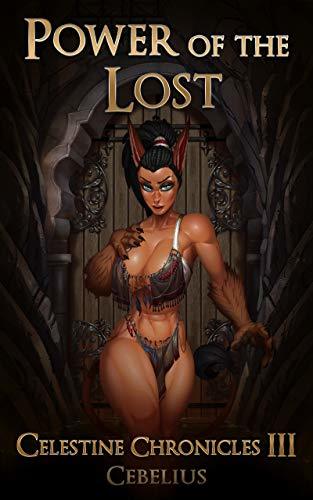
Terry and his companions have finally broken free of Florence, but freedom comes with obligations. He has promised to help Yuri Kolenko become chieftain, and that path leads straight through some of the most dangerous territory on Celestine. Furies, a dragon, and the Dust Lord himself are in pursuit. To survive, Terry’s group must challenge the Sphinx, enter the Labyrinth, and navigate to its center — where an ancient fallen hero and a twice-scorned woman known as the Power of the Lost await.
The premise is essentially a dungeon crawl wrapped in Greek mythology, and it is the tightest, most focused setup the series has delivered. The Labyrinth provides a natural structure that keeps the pacing on track, and the mythological stakes give every encounter weight.
What Works
The big reveal — that Celestine is actually Tartarus — is the kind of plot twist that retroactively improves everything that came before it. Suddenly, the Greek mythology elements are not just flavor. They are the foundation. The entire world clicks into place, and readers who have been paying attention to the mythological breadcrumbs across three books get a genuinely satisfying payoff.
The writing quality continues its upward trajectory. Multiple readers have noted that the plot has outgrown the erotica label, and while that might sound like a backhanded compliment, it is not. What Cebelius has built here is a genuine fantasy series that happens to contain explicit harem content, rather than erotica that happens to have a plot. The character development is mature and layered, the action sequences are well-choreographed, and the balance of intimate scenes with plot progression hits the sweet spot.
The deepening integration of Greek mythology is the star of this installment. The Sphinx encounter, the Labyrinth itself, and the mythological figures Terry confronts all feel earned rather than borrowed. Cebelius is not name-dropping mythology for aesthetic points — he is building a world that breathes this material.
What Doesn’t
Terry’s hero complex has not gone away, and by book three, it is a real source of frustration for a vocal portion of readers. His tendency to whine about his morals and make the same self-sacrificing mistakes he has been making since book one undermines what should be genuine character growth. There is a difference between a morally complex protagonist and one who keeps tripping over the same internal conflict across three novels.
A portion of the book set in a single location can feel confined, and some readers wanted more variety in the environments. More pointedly, Terry’s inconsistent moral standards regarding physical appearance have drawn sharp criticism — he applies different rules to different situations in ways that feel less like character depth and more like authorial oversight.
The Heat
Solid four. The balance of intimate content with the rest of the narrative is considered ideal by most readers. The scenes are explicit, well-written, and integrated into the relationships rather than interrupting them. Cebelius has found his rhythm with the spice by book three — he knows when to deploy it and how much to deliver. Readers looking for harem fantasy with explicit content that does not come at the expense of plot will find the formula perfected here.
Bottom Line
Power of the Lost is the best book in the Celestine Chronicles and one of the strongest entries in monster girl harem fiction on Kindle Unlimited. Read it if you have followed Terry this far — the mythological payoffs and writing quality reward your investment. The MC’s persistent flaws keep it from perfection, but the highs here are higher than almost anything else in the subgenre.
Keep Reading
- More monster girl harem books ranked by spice level
- More isekai harem books reviewed
- Our dungeon harem books guide
- Best harem books of 2026 — ranked by our editors
If You Liked This, Try
Shows Cebelius's range — readers who love his writing here should try his standalone
Both hit a mid-series stride where world-building revelations elevate the entire narrative
Another harem fantasy that blends mythological elements with progression and explicit content
The Verdict
Power of the Lost is widely considered the peak of the Celestine Chronicles, and it earns that reputation. The revelation that Celestine is actually Tartarus recontextualizes everything, the Greek mythology integration is masterful, and the writing has evolved past the point where calling it 'good for the genre' feels adequate. Terry's hero complex remains a sticking point, but this is monster girl harem fantasy operating at its highest level.