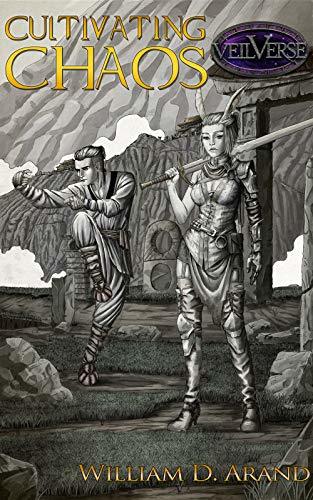
Who This Book Is For
Readers who want a westernized cultivation harem with fast pacing, an OP protagonist, and martial arts action
Who This Book Is NOT For
Anyone looking for traditional slow-burn xianxia or a likable, morally upstanding protagonist
Our Review
The Setup
Ash is a martial arts champion living a normal life on Earth until a portal yanks him into a world where cultivators channel internal energy to punch through walls, harden their skin like diamond, and manipulate the elements. For three years he survives as a powerless nobody among regular citizens, unable to access the cultivation abilities that define this world’s power structure.
Then he finds an ancient ring. Because of course he does. The ring unlocks his dormant abilities and dumps godlike knowledge into his head, catapulting him from zero to contender overnight. From there, Cultivating Chaos becomes a familiar but well-executed power ramp: Ash joins a sect, exposes corrupt elders, collects companions, and starts building the kind of entourage that makes other cultivators nervous.
The premise sits at the intersection of isekai and cultivation fiction, and Arand makes it work by skipping the slower traditions of the xianxia genre in favor of a snappier, more Western approach to storytelling.
What Works
The westernized cultivation setting is the book’s strongest asset. Arand strips away the more arcane and repetitive elements of traditional xianxia — the endless pill refinement, the meditation chapters, the rigid cultivation stage names that blur together — and replaces them with something faster and more accessible. The martial arts scenes have genuine impact, and the sect politics provide a layer of intrigue that keeps things interesting between fights.
The pacing improves dramatically once Ash gets his ring and starts interacting with the power structure. The middle and back half of the book clip along at a satisfying speed, stacking revelations and confrontations in a way that rewards continued reading. Arand’s humor lands more often than it misses, giving the story a lighter tone that prevents the power fantasy from taking itself too seriously.
The VeilVerse shared-universe concept, built with fellow author Blaise Corvin, adds a layer of depth that standalone cultivation novels often lack.
What Doesn’t
Ash himself is the primary friction point. Multiple readers note that once he gains power, his behavior shifts from underdog to bully in ways that undercut the sympathy the opening chapters worked to build. He can be self-centered, contradictory in his motivations, and tactless in a way that feels less like intentional character design and more like inconsistent writing.
The harem elements, while present, feel grafted onto the cultivation framework rather than growing naturally from the story. The women in Ash’s orbit lack the individual depth that the best harem fiction provides, and several of them feel interchangeable once you strip away their combat specialties. The romantic dynamics receive less attention than the power progression, which will disappoint readers who come to this primarily for the harem.
The Heat
The spice level sits at a moderate 3. Intimate scenes exist and are reasonably detailed, but they are not the book’s focus. Cultivating Chaos prioritizes its martial arts action and sect politics over bedroom content. Readers looking for cultivation fiction with harem flavor will find what they need here, but dedicated erotica readers should look elsewhere.
Bottom Line
Cultivating Chaos is a solid entry point for readers who want cultivation fiction without the slower pacing of traditional xianxia. Arand’s strength is momentum, and once the story gets moving, it delivers a satisfying power fantasy with enough political intrigue to keep things grounded. The harem is present but secondary, and Ash’s personality will split the room. If you can roll with a protagonist who is more antihero than hero, and you enjoy the idea of a martial arts isekai with harem elements, this is a reliable Kindle Unlimited pick with six more books waiting.
Keep Reading
- More isekai harem books reviewed
- Best harem books of 2026 — ranked by our editors
- All harem books on Kindle Unlimited
If You Liked This, Try
Western cultivation fantasy with similar sect politics and martial arts progression
Isekai into a cultivation world with progression and combat-heavy storytelling
Same author's brand of harem fiction with morally gray MC and power accumulation
The Verdict
Cultivating Chaos is a fast, entertaining westernized cultivation story with a protagonist who gets overpowered quickly and a harem that builds alongside the action. The character work is uneven and Ash can be abrasive, but Arand delivers on the power fantasy promise with energy and humor.