Who This Book Is For
Fans who devoured book one and want to see Felix take Legion national — the corporate warfare and team dynamics get bigger
Who This Book Is NOT For
Readers who found the slavery element uncomfortable in book one — it only becomes more central as Legion expands
Our Review
The Setup
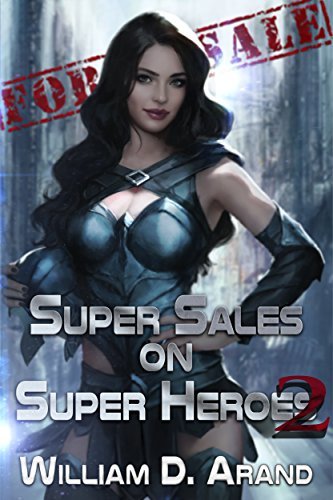
Legion is growing, and Felix is thinking bigger. With his operation humming along in the first city, he sets his sights on expansion. Armed with permits, approvals, and a team of optimized superpowered women, Felix moves to establish operations in a new territory. The local government signed off on the paperwork. They just had no idea what they were actually approving.
Book two takes Felix’s corporate empire-building from startup to expansion phase. The challenges shift from “can we survive?” to “can we take over?” — and the answer, given Felix’s ability to upgrade everything he owns, is increasingly yes.
What Works
The corporate expansion storyline is even more engaging than the original survival-mode arc. Watching Felix navigate local government opposition, establish logistics chains, and deploy his upgraded team against new threats has the same addictive quality as a good strategy game. The progression is visible and satisfying — Legion is bigger, stronger, and more complex, and every new challenge tests the operation in different ways.
The team dynamics among Felix’s superpowered women are more developed and nuanced in this installment. With more characters and more complex operations, individual personalities emerge more clearly. Women who were somewhat interchangeable in book one start differentiating as they take on distinct roles within Legion. The power dynamics between team members — who leads which operation, who works best together, who has friction — add interpersonal texture that was missing before.
Felix remains a compelling strategic protagonist. He is still thinking three moves ahead, still evaluating every person and situation through the lens of optimization, and still making the morally gray calls that define the series. For readers who enjoy a male lead who operates on intelligence rather than brawn, he continues to deliver.
What Doesn’t
The formula is beginning to show. Book two follows a very similar structure to book one — Felix encounters new obstacles, deploys his upgrade ability to overcome them, and emerges stronger. The specific challenges are different, but the pattern is recognizable. Readers who thrive on unpredictability may find the repeating loop less engaging the second time through.
The harem elements remain emotionally underdeveloped. Felix adds more women to his operation, but the romantic and intimate connections between them still feel transactional. He upgrades their powers and they are loyal to him. That is the relationship model, and while it works for the story’s internal logic, it leaves the harem feeling more like a human resources department than a found family.
The slavery system becomes more uncomfortable as Legion expands. What was a morally gray conceit in book one becomes harder to hand-wave as Felix’s operation grows to institutional scale. The story does not meaningfully interrogate this — it just proceeds with the framework as given — and some readers will find that increasingly difficult to accept.
The Heat
Still a three. Consistent with book one, the explicit content serves the plot but does not drive it. There are more characters and more intimate moments, but Arand’s interest clearly lies in the empire-building mechanics. Readers looking for escalating heat across the series will not find it here.
Bottom Line
Super Sales on Super Heroes 2 is a satisfying expansion of everything that made the first book work. The corporate warfare is bigger, the team dynamics are richer, and Felix’s strategic mind continues to make every chapter feel like a move on a chess board. The repeating formula and emotionally thin harem elements are growing concerns, but for fans invested in Legion’s rise, this is compulsive reading on Kindle Unlimited.
Keep Reading
- Browse all harem books by sub-genre
- Best harem books of 2026 — ranked by our editors
- All harem books on Kindle Unlimited
If You Liked This, Try
Direct continuation — if the premise hooked you, book 2 expands it in every direction
Shared focus on territorial expansion and growing an operation with a team of women
Both feature protagonists transitioning from survival to base-building and community management
The Verdict
More of what made book one addictive — corporate expansion, power upgrades, and superpowered team dynamics. The formula is starting to repeat itself, but the empire-building remains compulsive.