Who This Book Is For
Series completionists who need to see how Felix's story ends and can handle a four-year time jump
Who This Book Is NOT For
Readers who want every thread tied up neatly — this conclusion raises new questions while resolving old ones
Our Review
The Setup
Four years have passed. Legion has been locked in a shadow war with unknown enemies wielding magic — something that should not exist in a world of superpowers. Old gods are returning. The fabric of reality is fraying. And Felix, who built his empire by upgrading superpowered women and outmaneuvering human opponents, now faces threats that his spreadsheets and optimization algorithms were never designed to handle.
The world is falling apart, and Legion has been holding the chaos back at a climbing cost in blood and resources. Felix decides the defensive posture is no longer sustainable. It is time to push forward, take decisive action, and make his people safe once and for all.
What Works
The elevated stakes give the series a sense of urgency it has not had before. Previous books were about building and expanding; this one is about defending everything Felix has built against existential threats. The introduction of magic and returning gods expands the world in genuinely interesting ways, suggesting a mythology that was always lurking beneath the superhero surface.
The darker tone suits the story’s evolution. Felix is no longer a clever underdog gaming the system — he is a war leader making life-and-death decisions with imperfect information. The casualties are real, the victories are costly, and the moral gray zone he has always operated in gets considerably darker. This is the series growing up, and it works.
Long-running plot threads get their payoff. Characters who were introduced in book one and developed across book two reach their narrative destinations. The shadow war provides context for loose ends that were hanging, and seeing Felix’s strategic mind applied to a genuine existential crisis provides some of the series’ most satisfying moments.
What Doesn’t
The four-year time jump is a significant problem. Readers who invested in Felix’s relationships and team dynamics through two books suddenly discover they missed four years of development. Bonds deepened, new members joined, conflicts resolved — all off-screen. It is the narrative equivalent of skipping several seasons of a television show. The emotional continuity suffers badly.
Power escalation has reached the point where combat lacks tension. When your protagonist can upgrade anyone to near-godlike levels, and his opponents are literal returning deities, every fight becomes a spectacle rather than a strategic engagement. The careful tactical mind that made Felix compelling in book one is replaced by raw power dynamics that are less interesting to read.
The conclusion does not tie up all loose threads. For a series finale, there are frustratingly many open questions and unresolved subplots. Whether this is setup for future books in the same universe or simply unfinished storytelling, it leaves the reading experience feeling incomplete.
The Heat
Consistent at three across the trilogy. The four-year time jump means established relationships have deepened off-screen, which makes the intimate moments feel simultaneously more comfortable and less earned. The heat is there, but it has never been this series’ primary appeal, and the finale does not change that equation.
Bottom Line
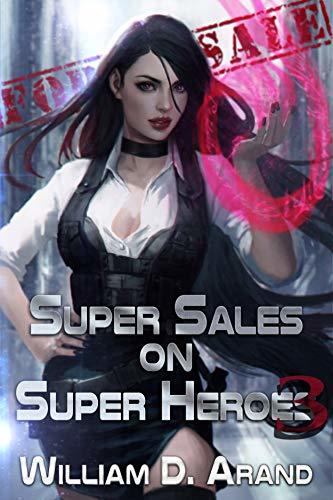
Super Sales on Super Heroes 3 is a flawed but satisfying conclusion to one of harem fiction’s most innovative series. The darker tone and cosmic stakes provide genuine drama, and Felix’s final strategic gambit delivers the kind of high-stakes payoff the series has been building toward. The time jump and incomplete resolution prevent it from sticking the landing perfectly, but if you have read this far on Kindle Unlimited, you need to see how it ends. And it ends well enough to justify the journey.
Keep Reading
- Browse all harem books by sub-genre
- Best harem books of 2026 — ranked by our editors
- All harem books on Kindle Unlimited
If You Liked This, Try
Direct continuation — the stakes are dramatically higher and the tone is significantly darker
Both feature protagonists leading forces against existential-level threats with escalating power dynamics
Shared themes of a protagonist facing world-ending threats while managing complex relationships and alliances
The Verdict
A darker, higher-stakes conclusion that expands the scope dramatically. The time jump is jarring and the power escalation strains believability, but Felix's final push to secure Legion provides a satisfying, if imperfect, ending.